
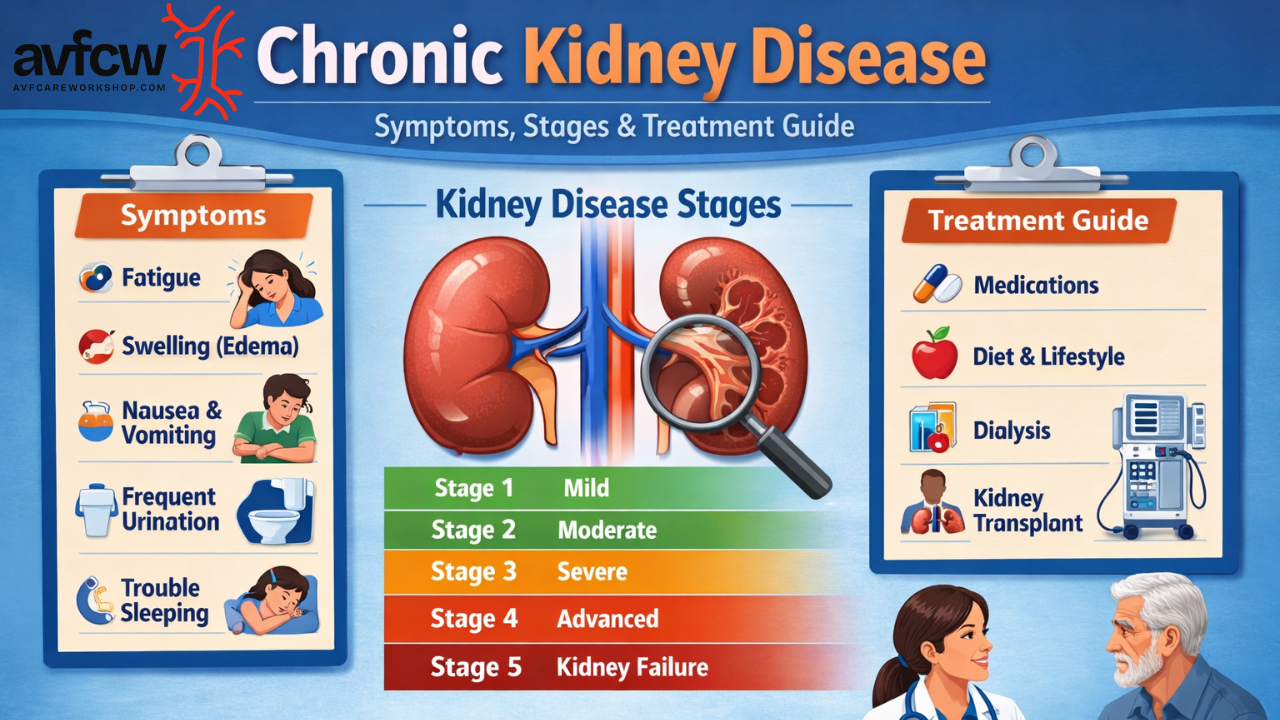
CKD is a severe and chronic medical condition that affects millions of people worldwide. When the kidneys slowly lose the power to filter waste products, as well as excessive fluids and other harmful substances from the blood, it is referred to as chronic kidney disease. Without proper treatment, chronic kidney disease will lead to a state of failure, where the patient will be forced to undergo a transplant.For patients with advanced CKD, nephrologists need to focus on their vascular access to know if they will potentially need long-term dialysis. An Arteriovenous Fistula is one of the secure and most effective options. Experts like Dr. Himanshu Verma, a vascular and endovascular specialist, focus on creating and managing AV fistulas to ensure safe and long-term dialysis access for CKD patients.
This guide covers symptoms, 5 stages of chronic kidney disease (CKD), treatment options, and, in particular, AV fistula care.
What is chronic kidney disease?
The phrase refers to a slowly developing medical problem with the kidneys that ultimately ends in renal failure. Gradually, individuals with chronic kidney disease, kidneys cease filtering waste products from the blood and toxins accumulate in the body. Awareness of CKD before it is advanced will give the patient time to take steps to slow it down.
What are the 5 stages of chronic kidney disease?
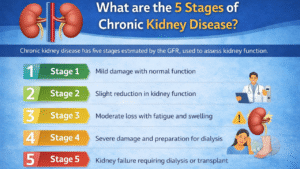
Chronic kidney disease, or CKD, is classified into five stages depending on the glomerular filtration rate, or GFR, which is a measure of how well wastes are removed from the body by the kidneys. These phases have cross-sectional stages in chronic kidney disease, which assist doctors alike to gauge the seriousness of ailments and treat them accordingly.
Stage 1 Chronic Kidney Disease (GFR: 90 or higher)
This stage shows that there is minimal damage to the kidneys, and their function is normal. The kidneys are functioning well, but there is evidence of damage, such as proteins found in urine. Usually, there are no symptoms, and early monitoring helps prevent progression.
Stage 2 Chronic Kidney Disease (GFR: 60–89)
This stage shows that there is moderate damage to the functions of the kidneys. Many people still do not notice symptoms, but medical tests may show kidney damage. Doctors usually focus on managing conditions like high blood pressure or diabetes to protect kidney health.
Stage 3 Chronic Kidney Disease
Stage 3 is moderate damage to kidney function and has two parts.
- Stage 3a (GFR: 45–59): Kidney function starts to decline, and some people may experience fatigue or mild swelling.
- Stage 3b (GFR: 30–44): Kidney function drops further, and symptoms like swelling, anemia, or higher blood pressure may appear.
Stage 4 Chronic Kidney Disease (GFR: 15–29)
This level shows that there is serious damage to the kidneys. Waste products start to gather in the body, leading to symptoms including fatigue and swelling, nausea. Doctors usually start preparing patients for possible dialysis or a kidney transplant.
Stage 5 Chronic Kidney Disease (GFR: below 15)
This is the stage where there is damage to the function of the kidneys, and patients have to undergo dialysis or a transplant to live.
Understanding the stages of chronic kidney disease is essential because it enables doctors to monitor patients with such a condition.
Signs, Symptoms, and Key Contributors of Chronic Kidney Disease
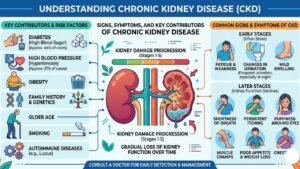
Signs and symptoms of chronic kidney disease include:
- Persistent fatigue and weakness
- Swelling in the legs, feet, or face
- Changes in urination patterns
- Nausea, loss of appetite, and itching
- High blood pressure
Along with physical symptoms, many patients also experience emotional stress and psychological challenges. Understanding the mental health in CKD patients is equally important for overall well-being.
Chronic kidney disease key contributors:
- Diabetes
- Hypertension
- Genetic kidney disorders
- Recurrent kidney infections
- Long-term medication misuse
Who is at risk for chronic kidney disease?
People at higher risk of chronic kidney disease include:
- Diabetic and hypertensive patients
- Patients with a family history of chronic renal disease
- Older adults
- Obese individuals and smokers
- Patients with heart disease
Treatment of chronic kidney disease
Management includes slowing the progression of chronic kidney disease, as well as treating its manifestations.
- Blood pressure and sugar control
- Kidney-friendly diet and fluid management play a crucial role in managing CKD, and understanding the importance of a renal diet for CKD patients can help slow disease progression.
- Medications to protect kidney function
- Dialysis in advanced chronic kidney disease
- Kidney transplant in end-stage chronic kidney disease
Lifestyle changes such as exercise, reduced salt intake, and regular monitoring play a vital role in managing chronic kidney disease.
What are the complications of chronic kidney disease?
Untreated chronic kidney disease can cause:
- Heart disease
- Bone weakness and anemia
- Fluid overload and lung congestion
- Electrolyte imbalance
- Kidney failure
Role of Dr. Himanshu Verma in CKD and AV Fistula Care

Dr. Himanshu Verma is a vascular and endovascular specialist dedicated to improving dialysis access outcomes for kidney patients. His work focuses on:
- AV fistula creation
- AV fistula repair
- Dialysis access maintenance
- Endovascular treatments
- Patient education on fistula care
Through clinical expertise and patient education programs, he helps CKD patients receive safe and effective dialysis treatment.
AVF Care Workshops for Dialysis Patients
One of the unique initiatives led by Dr. Himanshu Verma is the AVF Care Workshop, which focuses on educating patients about dialysis access and fistula care.
These workshops focus on empowering kidney patients with knowledge about maintaining healthy vascular access.
Key topics covered in AVF Care Workshops
- Understanding AV fistula and its role in dialysis
- Identifying early signs of fistula complications
- Proper fistula hygiene and care
- Safe needle insertion techniques
- Preventing infection and clotting
- Lifestyle modifications for dialysis patients
Impact of the workshops
The AVF Care Workshops have trained numerous dialysis patients, caregivers, and healthcare professionals across multiple cities. Such sessions increase patient understanding: they reduce complications and help patients manage their dialysis time much more confidently..
Patient education plays an important part in reducing the number of vascular injuries in dialysis patients and improving overall treatment outcomes.
Prevention Tips for Chronic Kidney Disease
- Regular health checkups
- Blood sugar and BP control
- Hydration and a balanced diet
- Avoid self-medication
- Maintain a healthy weight
Adopting the right eating habits is essential for kidney health, and learning how to eat right to protect your kidney health can help reduce the risk of chronic kidney disease.
Conclusion
Chronic kidney disease is manageable when detected early and treated with proper medical guidance. Knowing your chronic kidney disease symptoms, your stages and the options for treatment lets people manage chronic kidney disease more effectively–with better long-term health. With the help of education, regular monitoring, and timely medical interventions, the quality of life for people suffering from MS has been improved considerably.
For patients who need advanced care or dialysis access procedures, such as an Arteriovenous Fistula, consulting an experienced specialist is important. Experts like Dr. Himanshu Verma provide specialized treatment and guidance to help patients manage advanced chronic kidney disease stages and support safer dialysis and chronic kidney disease treatment.

