
Fruits for CKD Patients
One common question people ask is whether kidney disease patients should eat fruits. The answer is yes, but with caution. In general, healthy eating for CKD patients can be included in the daily diet; however, it is important to choose the right type of fruit and consume the right quantity. In CKD, potassium levels can increase because the kidneys are unable to remove excess waste effectively. High potassium levels can be dangerous and may affect heart rhythm. Therefore, making smart choices regarding the type of fruit and the amount consumed is essential.
Fruit intake should always be individualized based on the stage of CKD, dialysis status, and medical advice.
Key Points to Remember
- Suitable fruits for CKD patients should be low to moderately high in potassium
- The quantity of fruits for CKD patients eaten is as important as the type chosen
- Eating large amounts of fruit at one time can raise potassium levels
- Dialysis and non-dialysis patients may have different fruit allowances

Benefits of Fruits in a Kidney Disease Diet
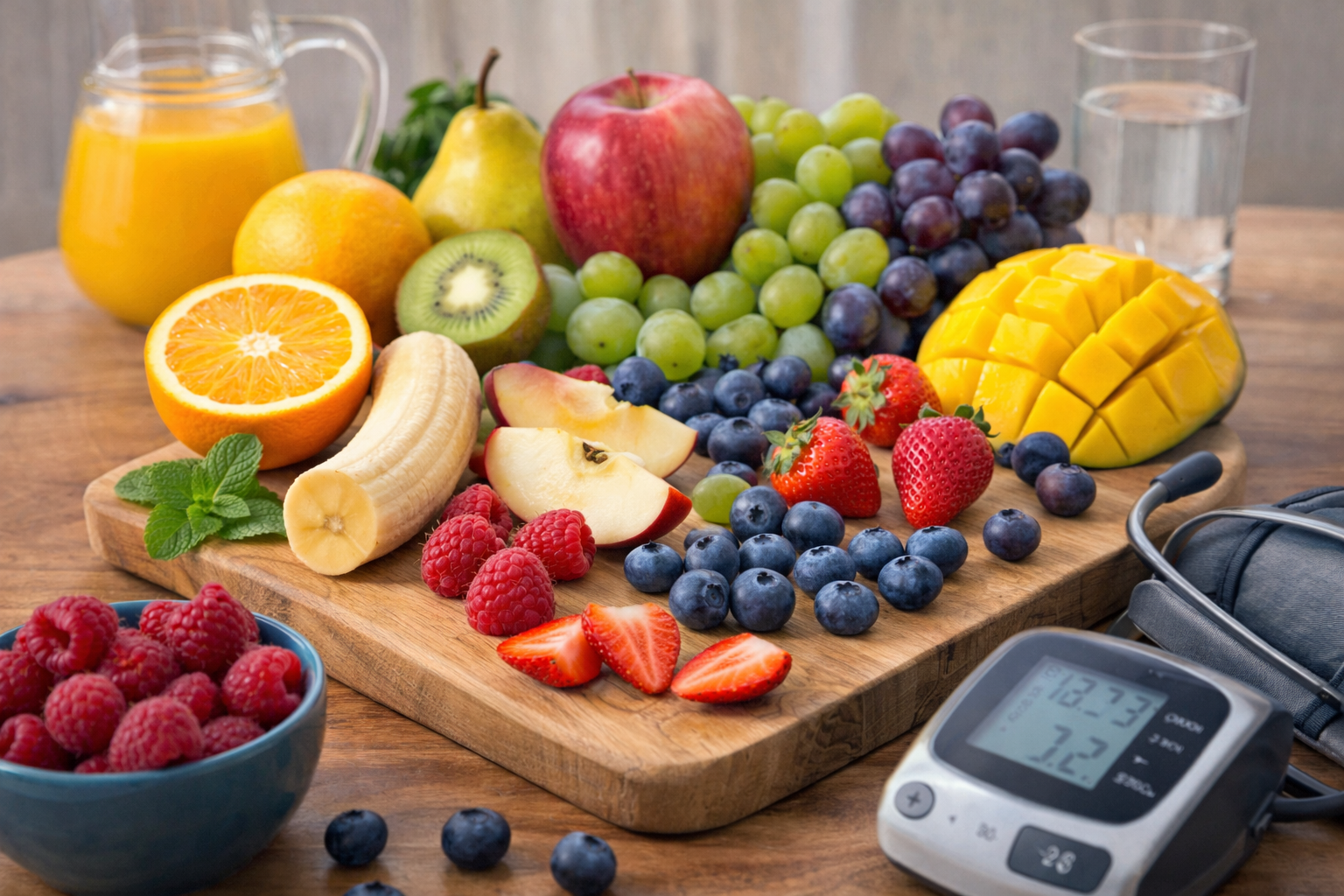
Fruits are beneficial for people with CKD when consumed appropriately. Fruits provide fiber, natural energy, hydration, and essential vitamins. Completely avoiding fruits may lead to weakness, constipation, and poor nutrition.
Benefits of Fruits for CKD Patients
- Improved digestion due to fiber content
- Natural hydration support
- Helps in blood pressure control when low-potassium fruits are chosen
- Supports immunity and overall well-being
For renal diet CKD patients who also have diabetes, fruit portions should be carefully controlled to avoid sudden rises in blood sugar levels.
Best Fruits for CKD Patients
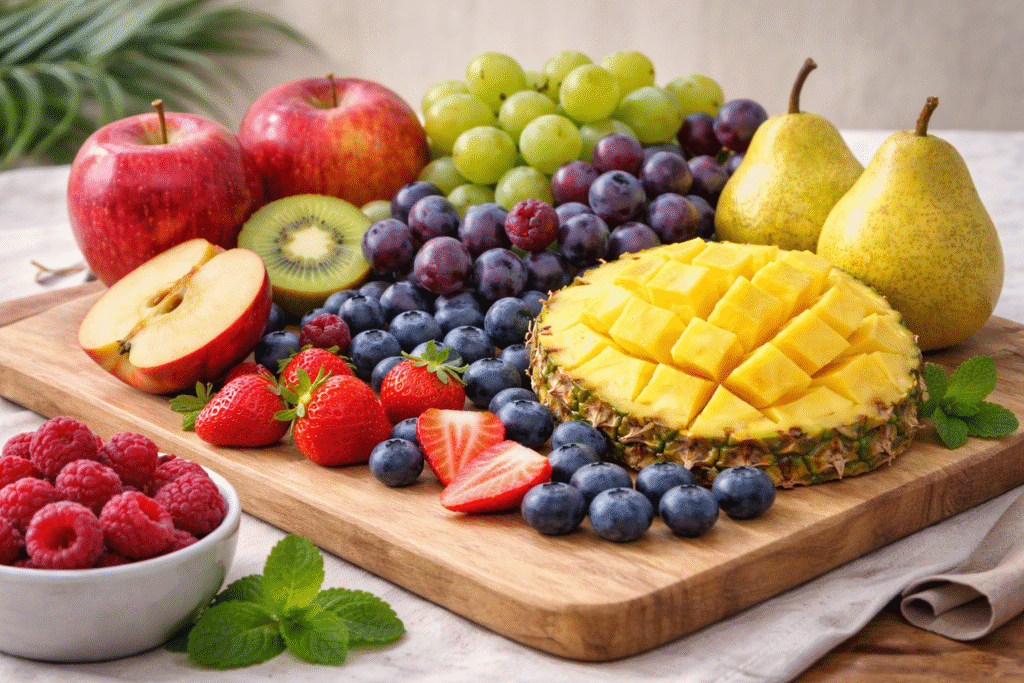
Not all fruits are kidney-friendly. Some fruits are easier for the kidneys to handle because they are lower in potassium and safer when eaten in controlled portions.
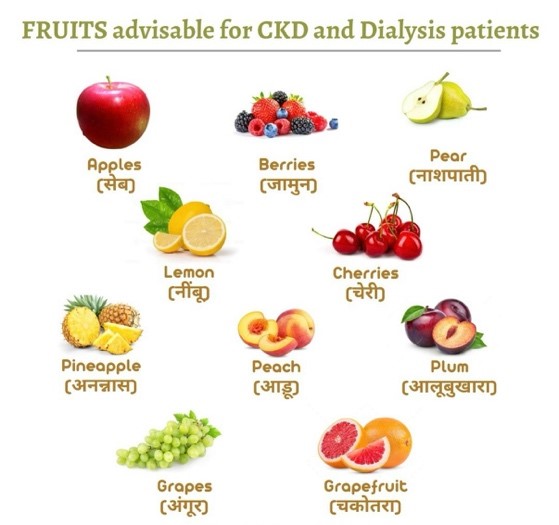
Good Fruits for CKD Patients
- Apples
- Grapes
- Pineapple
- Pears
- Berries (strawberries, blueberries)
These fruits can be included as snacks or part of meals without placing excessive strain on the kidneys when portion sizes are maintained.
Fruits to Limit or Avoid in CKD
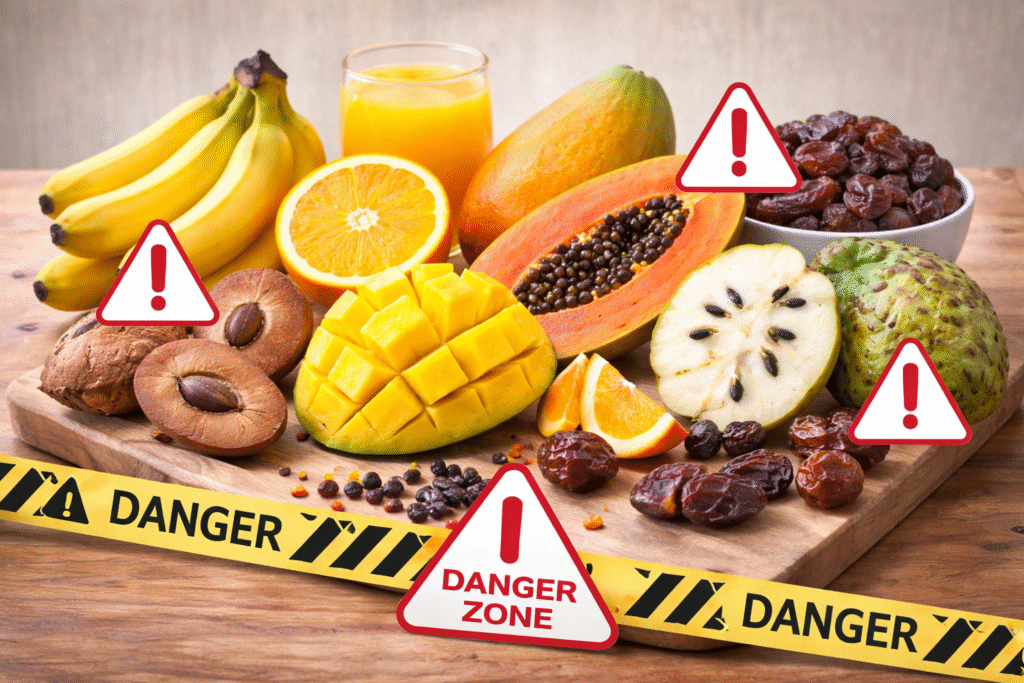
Some fruits are naturally high in potassium and should be limited or avoided, especially in advanced CKD.
Examples include:
- Banana
- Orange and orange juice
- Mango
- Papaya
- Chikoo (sapota)
- Custard apple
- Dried fruits such as raisins and dates
Managing Potassium Intake from Fruits
Potassium control is one of the most important aspects of selecting Fruits for CKD Patients. Even low-potassium fruits can become harmful if consumed in large quantities.
Tips to Manage Potassium
- Stick to recommended portion sizes
- Avoid mixing multiple fruits in one serving
- Spread fruit intake across the day
- Prefer fresh fruits over canned or dried fruits
- Avoid fruit juices, as they contain concentrated potassium and sugar
How Much Fruit Should CKD Patients Eat?
The appropriate quantity of Fruits for CKD Patientsdepends on kidney function, CKD stage, and whether the patient is on dialysis. In most cases, one small serving per day is considered safe unless advised otherwise by a doctor or dietitian.
One Serving Equals:
- One small apple
- Half a cup of chopped fruit
Dialysis patients may sometimes tolerate slightly higher potassium, but intake should still be guided by regular blood reports.
Common Mistakes CKD Patients Make with Fruits
Many patients believe that all-natural foods are always safe. This is not true for kidney disease.
Common Mistakes:
- Eating large bowls of fruit
- Consuming dried fruits
- Drinking fruit juices
- Ignoring portion sizes
- Eating fruits without considering potassium levels
Conclusion
Fruits for CKD patients are not forbidden, but they require smart planning. By choosing low-potassium fruits, controlling portion sizes, and spreading intake throughout the day, dietary modifications in CKD patients can safely enjoy fruits. The goal is balance, not complete restriction. Always consult a nephrologist or renal dietitian before making dietary changes, as individual needs vary based on disease stage and treatment.
FAQs
What fruits are good for CKD patients?
Apples, grapes, pineapples, pears, and berries are generally safe fruits for CKD patients when eaten in controlled portions.
Which fruit is lowest in potassium?
Apples and berries are among the lowest potassium fruits.
Is beetroot high in potassium?
Yes, beetroot is rich in potassium and should be limited or avoided by most CKD patients.
Can CKD patients eat apples?
Yes, apples are safe for CKD patients when consumed in appropriate portion sizes.
Can CKD patients eat fruit daily?
Yes, daily fruit intake is possible if portion sizes and potassium levels are properly managed.
Are fruit juices safe for kidney patients?
No, fruit juices are not recommended as they contain concentrated potassium and sugars.

