
Healthy Eating for CKD Patients | Kidney-Friendly Diet Tips
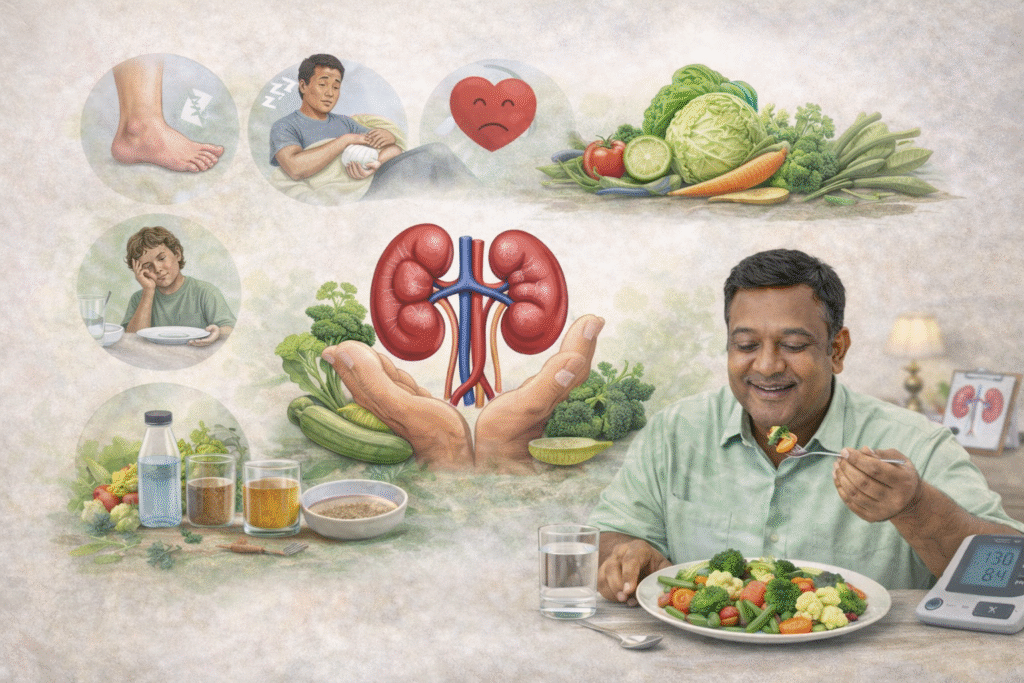
Healthy eating for CKD patients plays a very important role in slowing kidney damage and improving daily well-being. When the kidneys are weak, they cannot remove waste products, excess fluids, and minerals properly. As a result, harmful substances remain in the body and may cause symptoms such as swelling, tiredness, poor appetite, and heart problems.
Healthy eating for CKD patients helps control these issues and supports better energy levels, appetite, and overall comfort. With the right food choices and portion control, kidney patients can feel more confident about protecting their kidney health and quality of life.
How Healthy Eating Supports Kidney Health
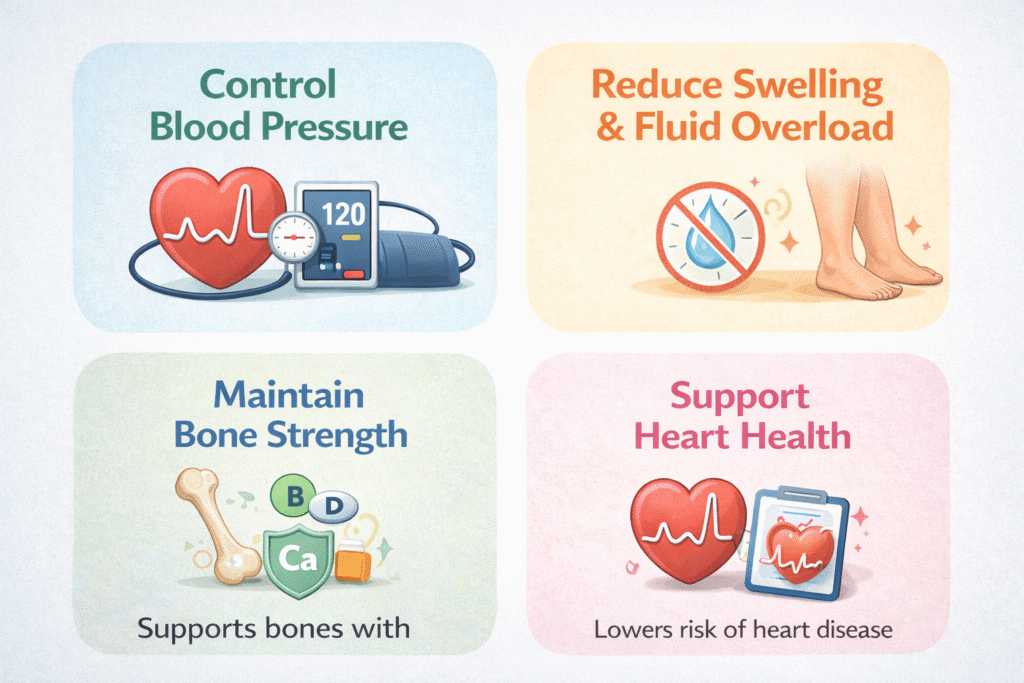
Healthy eating for CKD patients focuses on reducing stress on the kidneys while still providing essential nutrition for the body. A kidney-friendly (renal) diet helps:
- Control blood pressure
- Reduce swelling and fluid overload
- Maintain bone strength
- Support heart health
Healthy eating for CKD patients is about balance and consistency, not strict dieting or starvation. Small, steady changes make the biggest long-term difference.
What Is a Renal Diet?
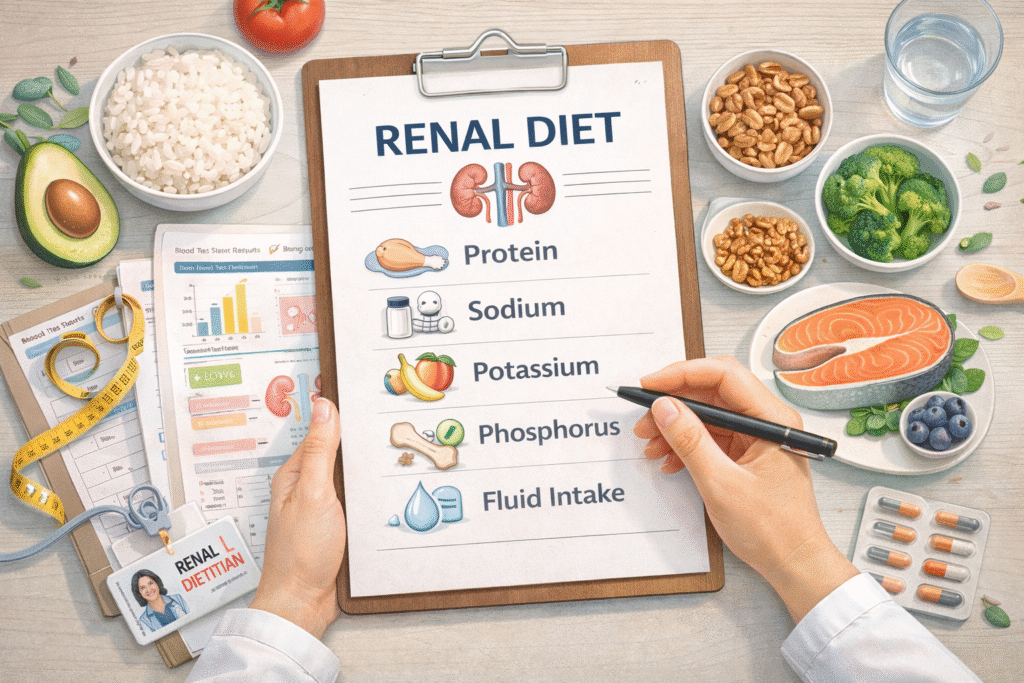
A renal diet is a special eating plan designed for people with kidney disease. Healthy eating for CKD patients through a renal diet means limiting foods that increase waste buildup in the blood.
As kidney disease progresses, dietary needs may change. A renal dietitian adjusts the diet based on kidney stage, blood reports, dialysis status, and other health conditions. Healthy eating for CKD patients works best when the diet is personalised.
Main Points of a Renal Diet
- Controlled protein to reduce kidney workload
- Low sodium to manage blood pressure
- Controlled potassium for heart safety
- Low phosphorus for bone health
- Proper fluid intake
- Balanced calories and nutrients
Key Nutrition Areas to Focus On
Healthy eating for CKD patients requires attention to daily nutrition needs.
Calories
Calories provide energy. Skipping meals can lead to weakness and muscle loss. Healthy eating for CKD patients encourages small, regular meals. Natural flavours like lemon, mint, coriander, and herbs can be used instead of salt.
Protein
Protein is essential, but excess protein produces waste. Healthy eating for CKD patients means consuming the right amount of protein, as advised by a renal dietitian. The goal is balance, not excess or deficiency.
Phosphorus and Potassium
High phosphorus can weaken bones and cause itching. Too much or too little potassium can affect heart rhythm. Healthy eating for CKD patients includes careful food selection, preparation methods, and portion control to keep these minerals within a safe range.
Sodium and Fluids
Excess salt and fluids increase swelling and blood pressure. Healthy eating for CKD patients involves limiting packaged and processed foods and following fluid guidance as prescribed.
Fats
Healthy fats support heart health. Healthy eating for CKD patients includes small amounts of healthy oils while avoiding deep-fried and greasy foods.
Practical Tips for Eating Healthy with CKD
Healthy eating for CKD patients can be easily adapted to Indian meals.
- Eat small, frequent meals
- Avoid street food and heavy masalas
- Use local, seasonal, and affordable foods
- Prefer boiling, steaming, grilling, or light sautéing
- Stay physically active as advised by your doctor
Protein Choices
- Egg white, dal, sprouts, fish, and chicken in limited amounts
- Avoid red meat and excess cheese
Salt Control Tips
- Avoid pickles, papads, sauces, and packaged snacks
- Read food labels carefully
- Flavour food with herbs and spices instead of salt
Patients with diabetes or heart disease should follow additional dietary guidance, as these conditions often coexist with CKD.
Conclusion
Healthy eating for CKD patients is one of the strongest tools to protect kidney function and improve quality of life. Small daily dietary changes help reduce complications, support heart health, and slow disease progression. Healthy eating for CKD patients is about consistent, mindful choices made with professional guidance, not perfection.
FAQs
What is the best diet for CKD patients?
The best diet is a renal diet tailored to the kidney stage, blood reports, and treatment plan. Healthy eating for CKD patients focuses on controlled protein, low salt, balanced minerals, and adequate calories.
What are five foods to avoid in kidney disease?
Packaged snacks, pickles, processed meats, cola drinks, and deep-fried foods should be avoided.
Can CKD patients eat fruits and vegetables?
Yes, but types and portions depend on potassium levels. Healthy eating for CKD patients includes fruits and vegetables as advised by a dietitian.
Is milk allowed in CKD?
Milk may be allowed in limited amounts depending on phosphorus and potassium levels.
How much water should a CKD patient drink?
Fluid intake depends on urine output, kidney stage, and dialysis status. Always follow medical advice.
Do CKD patients need a dietitian?
Yes. Healthy eating for CKD patients is safest and most effective when guided by a renal dietitian who personalises the meal plan.
Disclaimer
This content is for general educational purposes only and does not replace medical advice. Healthy eating for CKD patients varies based on kidney stage, blood test values, medications, and individual health conditions. Always consult your nephrologist or renal dietitian before making changes to your diet or fluid intake. AVF Care Workshop is not responsible for decisions made without professional guidance.

