Dietary Modification for CKD Patients | Renal Diet Guidance
Millions of individuals’ lives are being impacted by chronic kidney disease (CKD). which has caused an increase in the need for dietary modification for CKD patients to manage their health. Diet is a means of decelerating the deterioration of kidney function, to prevent future complications and provide a greater quality of life for all individuals. The importance of early nutritional intervention is highlighted at the AVF Care Workshop located in Haryana, where we offer this service as a primary focus within the kidney field.
Registered Dietitians and Kidney Disease
The best way to manage Chronic Kidney Disease (CKD) is through healthy eating for CKD patients and the personalized guidance of registered dietitians for dietary modification for CKD patients. They develop individualized nutritional plans for their patients by assessing kidney function, laboratory values, and lifestyle. Involving dietitians at an early stage of CKD can help to:
- Implement effective dietary modification for CKD patients
- Maintain optimal fluid balance
- Decrease the chance of electrolyte imbalances
- Promote optimal health both before and during dialysis
Registered Dietitians collaborate with the Medical team to monitor patient progress and modify dietary recommendations to achieve the most favorable outcomes at all stages of CKD.
Nutrients to Manage in Chronic Kidney Disease
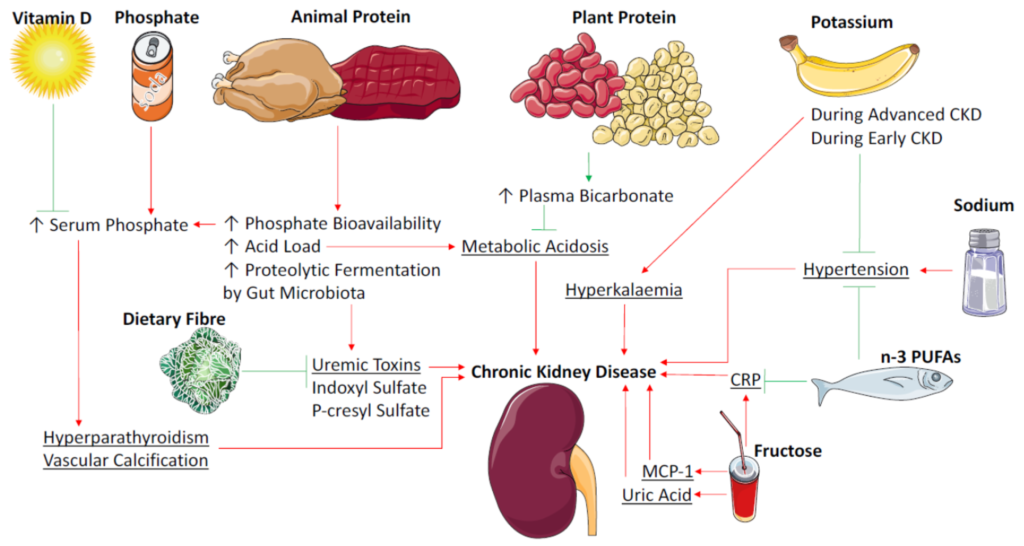
For patients with Chronic Kidney Disease (CKD), kidney-friendly dietary planning should include monitoring the following nutrients:
- Protein: Moderate protein supports kidney function while maintaining health
- Sodium: Reducing sodium is essential in dietary modification for CKD patients to avoid fluid retention
- Potassium: Monitoring potassium helps prevent heart complications
- Phosphorus: Controlling phosphorus is critical in dietary modification for CKD patients for bone and heart health
- Fluids: Managing fluid intake is an important step in dietary modification for CKD patients. Fluid intake helps reduce Swelling and the Stress on the Heart.
Each Nutrient must be closely managed, and Dietitians can help achieve a Healthy balance of nutrients, based on the individual’s Chronic Kidney Disease Level (Stage).
How Can I Eat Healthy with CKD?
With a lot of planning and dietary modification for CKD patients, individuals can develop a healthy diet. Here are some steps for accomplishing this:
- Look for fresh fruits and vegetables that contain a low amount of potassium.
- Select whole grain foods and fand kidney-safe legumes and pulses that are high in fiber.
- Choose lean protein sources, such as eggs, fish, or chicken, and kidney-safe nuts in controlled portions.
- Avoid processed foods that contain high amounts of sodium and preservatives.
- Make a meal plan using kidney-friendly herbs and spices instead of excess salt.
Taking these small steps, such as reading nutrition labels and making meals from scratch, will have a positive impact on an individual’s kidney health.
Concept of Conservative and Preservative Management
Individuals with chronic kidney disease (CKD) can build a healthy diet through dietary modification for CKD patients. The following steps can help achieve this:
- Choose a variety of fresh fruits and vegetables that are low in potassium.
- Choose whole-grain foods and high-fiber food products.
- Choose lean proteins (e.g., eggs, fish, chicken).
- Eliminate processed foods that contain high levels of sodium and preservatives.
- Prepare a meal plan that limits phosphorus and potassium intake.
Implementing simple strategies like reading nutrition labels and cooking meals from scratch will result in improved kidney health.
Conclusion
A CKD Patient will benefit most from a Dietary modification for CKD patients program to help slow the progression of CKD and keep them healthy and free from future complications. When patients receive early guidance from registered dietitians, have proper nutrient management in place, and are committed to making lifestyle changes, CKD patients can significantly enhance their quality of life. In the AVF Care Workshop, we offer individualized nutrition plans and support to allow our patients to thrive in the face of CKD-related difficulties.
FAQs
What are the dietary modifications for CKD patients?
Dietary modification for CKD patients will consist of reducing or eliminating sodium, potassium, phosphorus, and protein, and providing adequate nutrition with fluids and food that are deemed safe.
What are the dietary guidelines for renal failure?
The main emphasis for Dietary modification for CKD patients is moderate protein intake, sodium restriction, potassium and phosphorus restriction, and limited fluid intake.
What is the diet chart for kidney patients?
The standard diet chart for Dietary modification for CKD patients will consist of vegetables, fruit, and low-potassium sources of protein (lean), whole grains, and minimal processed foods.
Which foods should be avoided with CKD?
Avoid all processed foods and canned soups. Avoid snack foods with high sodium content. Avoid some dairy products. Avoid foods containing excessive potassium and phosphorus.
Can CKD patients eat fruits and vegetables?
Yes. However, low-potassium fruit or vegetable choices (e.g., apple, berries, cabbage, cauliflower) are preferred for Dietary modification for CKD patients.
Does dietary modification help avoid dialysis?
No, Dietary modification for CKD patients will not cure chronic kidney disease, but properly managing the diet early on and maintaining consistent dietary management should slow the progression of chronic kidney disease and delay the need for dialysis.
Is fluid restriction necessary for all CKD patients?
The need to limit fluid intake is based on the individual patient’s kidney function and chronic kidney disease (stage). Your dietitian will determine what your individual fluid limitation is.
Disclaimer:
This content is for educational purposes only and should not replace professional medical advice. Always consult your doctor or registered dietitian before making dietary changes.
Dietary Modification in CKD
Nutrition is a cornerstone of managing chronic kidney disease. Our workshops provide personalized dietary guidance to help patients make informed choices that support kidney function, improve overall health, and enhance quality of life.